How UV Rays Fade and Damage Your Belongings

The sun is a very powerful force indeed. Especially when you consider the earth only receives about one two-billionth of the sun’s total energy. We have all experienced the power the sun has to fade and damage,whether it’s the paint on your car or your favorite chair.
Sun light contains three types of energy rays:
- ultraviolet radiation
- visible light
- infrared radiation
Ultraviolet (UV) is the most dangerous and damaging. Ultraviolet rays break down the chemical bonds in coloring dyes, causing the color(s) in an object to fade over time. Some objects are more prone this bleaching effect, such as dyed textiles like carpet, drapes or furniture. Given enough time in the sun, everything eventually fades.
So how do we slow down the fading process in our homes?
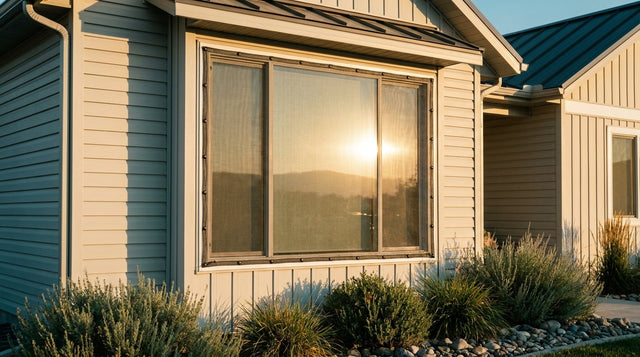
When it comes to UV fading and damage in the home, UV light entering from windows is responsible for almost 100% of the problem. The perfect solution is to filter out the majority of the sun’s damaging rays, while still retaining enough of the visible light spectrum to properly light the room. One of the best ways to accomplish this is by using an exterior shading solution such as an awning or an exterior shade screen. These exterior solutions not only filter out the majority of the damaging UV rays, they also stop the heating rays of the sun before they enter the window.
The EZ Snap exterior shading material typically filters out up to 90% of the damaging UV radiation from the sun, as well as, 90% of the heating rays of the sun.
Common questions
Does UV light cause fading inside your home?
Yes. Ultraviolet rays break down the chemical bonds in coloring dyes, causing colors to fade over time, and dyed textiles like carpet, drapes, and furniture are especially prone. Given enough time in the sun, everything eventually fades.
Where does most of the UV damage in a home come from?
UV light entering through windows is responsible for almost 100% of indoor fading and damage. The fix is to filter out the majority of the sun's damaging rays while keeping enough of the visible light spectrum to properly light the room.
What are the three types of energy in sunlight, and which is most damaging?
Sunlight contains ultraviolet radiation, visible light, and infrared radiation. Ultraviolet is the most dangerous and damaging because it breaks down the chemical bonds in dyes and causes objects to fade.
How do exterior shades reduce UV fading?
Exterior shading filters out the majority of the sun's damaging UV rays before they enter the window, and it stops the heating rays at the same time. The EZ Snap exterior material typically filters out up to 90% of the UV radiation as well as up to 90% of the heating rays.
Are exterior shades better than interior treatments for stopping fading?
Exterior shading stops UV and heat before they enter the window, unlike interior treatments that act only after sunlight has passed through the glass. That is why an awning or exterior shade screen is one of the best ways to slow fading in the home.