Why Skylights Shades And Skylight Blinds Are So Important
Excessive Heat from Skylights
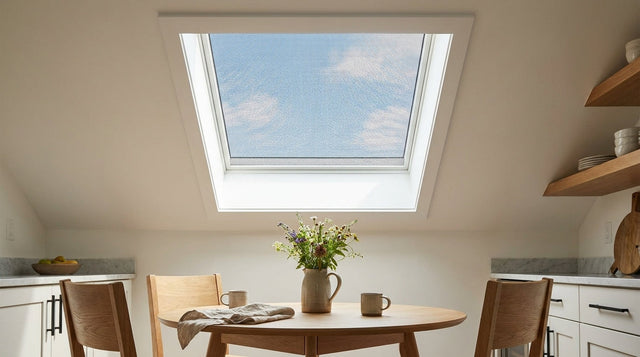
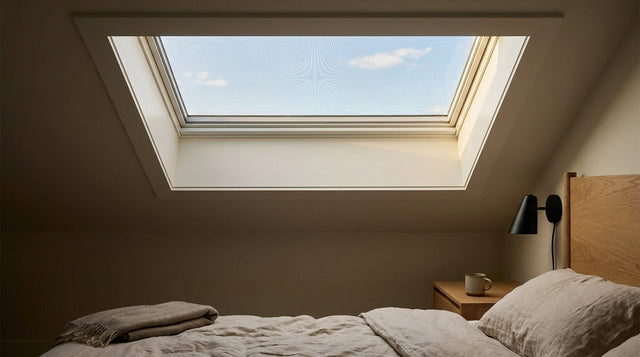
One of the best ways to brighten up a dark room is a well-placed skylight or two. Skylights are fantastic for adding natural light to a home, but they are also one of the biggest sources for excessive heat buildup in a home.

Even though skylights tend to be much smaller in size than the typical windows, they can easily allow too much heat and light into the home. This is due to the fact that they are placed on the roof, usually directly facing the sun. This location and angle allows the sun’s heating rays to directly enter the home, usually for most of the daylight hours. Interior blinds are helpful at reducing the excessive light that enters, but they do little to stop heat. As with any shade or blind to be effective, they must be installed on the outside of the skylite or window.
Exterior shades and blinds on skylights, not only shade the skylight glass itself; they also stop the heat before it enters the skylight glass.
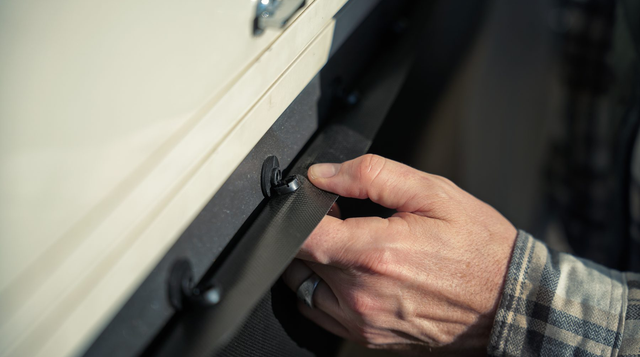
Once the heat enters the home it’s too late. Heat continues to build up, eventually raising the interior temperature. The benefit of adding an exterior skylight shade like EZ snap™ to your skylight is that, not only do you stop up to 90% of the sun’s heat, but you retain the benefit of having filtered light from the skylight.
The trick is to stop the heat while still allowing lots of ambient light to enter. After all, extra light is why you have a skylight in the first place. Customers have told us that once they had their EZ-Snap® skylight blinds installed, the light from the skylight was softened and the glare and hot spots was reduced. Exterior Skylight blinds and shades like EZ-Snap also have the added benefit of reducing the damaging U.V. rays entering the skylight.
If you are going to add shade to reduce your heat load, your skylights are the number one place to start.
When you're ready, build your no-drill skylight shade kit and shade the glass before the heat gets in.
Common questions
Why do skylights cause so much heat buildup?
Skylights cause excessive heat buildup because they sit on the roof, usually directly facing the sun, which lets the sun's heating rays enter the home for most of the daylight hours. Even though skylights are smaller than typical windows, that direct angle makes them one of the biggest heat sources in a house.
Do interior blinds work on skylights?
Interior blinds are helpful at reducing the excess light from a skylight, but they do little to stop heat. Once sunlight passes through the skylight glass the heat is already inside, so to be effective a shade or blind has to be installed on the outside of the skylight where it stops the heat before it enters.
How much heat can an exterior skylight shade block?
An exterior skylight shade stops up to 90% of the sun's heat before it reaches the glass. It does this while still letting filtered light through, so you keep the natural brightness that is the whole point of a skylight, and the shade also reduces the damaging UV rays entering the home.
Will an exterior skylight shade make the room too dark?
No, an exterior skylight shade is designed to stop the heat while still allowing plenty of ambient light in. Customers report that once their shades were installed, the skylight light was softened and the glare and hot spots were reduced, so the room stays bright without the harsh heat and brightness.
Where should I start when reducing my home's heat load?
Skylights are the number one place to start when adding shade to reduce your heat load. Because they face the sun directly from the roof, they take on more concentrated solar heat than most vertical windows, so shading them first delivers the biggest reduction in heat entering the home.