Best Window Protection From Golf Balls: Screens vs. Film vs. Impact Glass

- An exterior shade screen is the only one of the three golf ball defenses that intercepts the strike outboard of the glass, before the pane is in play.
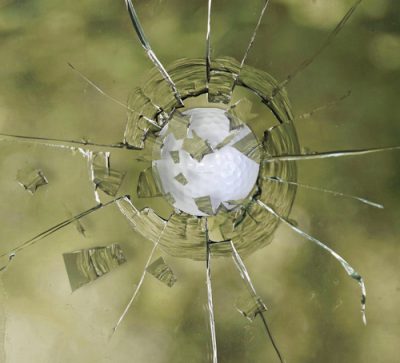
- Security film does not stop a golf ball from breaking the window: it holds the shattered glass together, so the pane still cracks and still needs replacing.
- Impact glass is the strongest single answer and the most expensive, because every course-facing opening is re-glazed with laminated assemblies, often with new frames.
- A taut exterior mesh with an air gap behind it flexes on impact and spreads the load, robbing a golf ball of the point-force that cracks glass.
- EZ-Snap® Sun Screens install in an afternoon with scissors using patented no-drill Cap and Pin snaps plus 3M VHB tape, with no frame removal.
Key Takeaways
- Of the three options, only an exterior shade screen intercepts a golf ball before it reaches the glass — security film and impact glass both act after the pane is struck.
- Security film manages a break (holding shards together) rather than preventing it; the glass still cracks.
- EZ-Snap Sun Screens start at $66.95 with free shipping over $225 and install in an afternoon with scissors using the no-drill Cap & Pin snaps and 3M VHB tape — far cheaper than re-glazing with impact glass.
- The U.S. Department of Energy identifies exterior shades as the most effective window attachment for reducing solar heat gain, because they block heat before it reaches the glass.
- Solar screens can block up to roughly 90% of solar heat gain before it reaches the window, so an impact-protecting screen also lowers cooling load every sunny day.
Somewhere between the seventh fairway and your living room, a small white sphere is deciding how your afternoon ends. A slice off the tee carries more force than most homeowners expect, and the window facing the course is the cheapest thing in the room until the moment it isn't. The question is not whether a golf ball will eventually find your glass; on a course-side lot, it's how you want to be standing when it does.
So let's settle the real query behind the search: of the three serious options on the market — exterior shade screens, security film, and impact glass — which one actually earns the title of best window protection from golf balls? Each works on a completely different principle, and that difference is the whole story. If you're still mapping the landscape, our broader guide to protecting windows from golf balls covers the terrain before this head-to-head narrows it down.
What is the best window protection from golf balls?
For most course-side homes, an exterior shade screen is the best all-around protection from golf balls. It's the only option that intercepts the strike outboard of the glass — before the pane is in play — rather than managing the break after it happens like security film, or replacing every window at renovation cost like impact glass. It installs in an afternoon and blocks solar heat too.
Three Defenses, Three Philosophies
Think of these as three different arguments about where to win the fight. Security film is a thin polyester layer bonded to the inside of your existing glass. It doesn't stop the ball from breaking the pane — it stops the broken pane from becoming a spray of shards across your floor. Impact glass replaces the window entirely with a laminated assembly, the same hurricane-rated category builders spec in coastal zones. It's the tank. And exterior shade screens hang a taut mesh in front of the glass, intercepting and dissipating the strike's energy before it ever reaches the pane.
The decisive word in that last sentence is before. The other two methods are interior defenses — they manage the damage after the glass has already lost. A screen is the only one of the three that does its work on the outside, which turns out to matter for far more than golf balls.
Film and glass decide how the window breaks. A screen decides whether it gets hit at all.
Window Film vs. Screen on a Golf Ball: The Honest Comparison
Here's where the buyer's-guide intent gets honest. Security film is genuinely good at what it's designed for — holding shattered glass together against burglary and storm debris. But against a fast-moving golf ball, film is a containment system, not a barrier. The pane still cracks. You're still replacing glass; you've just kept it from raining onto the carpet.
A taut exterior mesh changes the physics. Stretched in front of the window with an air gap behind it, the fabric flexes on impact and spreads the load, robbing the ball of the concentrated point-force that cracks glass in the first place. It's the trampoline principle versus the windshield principle — the same mechanics we break down in detail on how exterior mesh stops the strike. For the Exterior Sun Screens approach, the goal isn't to survive the break — it's to never schedule the glazier.
That said, no exterior mesh is marketed as a rated ballistic shield, and we won't pretend otherwise. The fair claim is mechanical and intuitive: an outboard, tensioned layer with give in it is a smarter place to meet a strike than a rigid pane is.
| Option | Stops the strike outboard | No-drill / DIY install | Removable / travels with you | Adds solar heat control | Relative cost |
|---|---|---|---|---|---|
| Exterior shade screen | Yes — meets the ball before the glass | Yes | Yes | Yes — black mesh blocks up to 90% | $ |
| Security film | No — contains the break after the pane cracks | No | No | Limited — heat already inside | $$ |
| Impact glass | No — strongest pane, but the ball still hits glass | No | No — permanent, tied to the house | — | $$$ |
Impact Glass vs. Shade Screen: The Cost Conversation
Impact glass is the strongest single answer — and the most expensive by a wide margin. You're paying to rip out and re-glaze every course-facing opening with laminated assemblies, often with new frames. It's a renovation, not a purchase. For a handful of windows it can run into five figures fast, and it's permanent in a way that doesn't follow you if you move. If keeping your current glass is the priority, the case for golf-ball-proof windows without replacing the glass makes the contrast plain.
This is where the screen quietly wins the practical argument. An EZ-Snap Sun Screen kit starts at $66.95, with free shipping over $225, and the patented no-drill Cap & Pin snaps plus 3M VHB tape mean you install it yourself in an afternoon with a pair of scissors. The Optical Grade Thermo-Weave™ mesh cuts to any window shape and won't fray at the edge. No frame removal, no contractor, no holes in the siding.
Ready to price yours? Build your exterior shade kit to match your windows.
- Security film — cheapest upgrade to existing glass, but it manages the break rather than preventing it.
- Impact glass — strongest barrier, highest cost, permanent installation, and tied to the house.
- Exterior shade screen — the cheapest golf-ball window protection that works outboard of the glass, and the only one you can install yourself and take with you.
The Benefit the Other Two Don't Have
Here's the part that tilts the decision. Film and impact glass do one job — they deal with impacts. A shade screen does that job and then keeps earning its price every sunny day after, because it's first and foremost a solar-control product.
The U.S. Department of Energy is blunt about this: exterior shutters and shades are the most effective window attachments for reducing solar heat gain.1 The reason is the same reason the screen beats film on a golf ball — it works on the outside. Exterior attachments block solar heat before it reaches the window, while interior treatments only act after sunlight has already passed through the glass and become heat inside your room.2 And the headroom is real: depending on the material, solar screens can block up to roughly 90% of solar heat gain before it ever reaches the glass.3
EZ-Snap's black mesh blocks up to 90% of solar heat; the white mesh trades some of that for brighter, softer interior light. So the same panel that's intercepting golf balls is also cutting your cooling load, easing the glare on the TV, and protecting your floors and furniture from fade — a return that film and impact glass simply can't match. If you want the mechanics of the snap system, the how-it-works walkthrough lays it out.
So What's Actually Best?
If money is no object and you want the single most impact-resistant pane physically possible, impact glass is the answer — and an expensive, permanent one. If you only care about cleanup after a break and want the cheapest interior fix, security film does that narrow job.
But for the homeowner asking which option gives the best all-around value on a course-side window — stopping the strike outboard of the glass, installing in an afternoon, traveling with you, and paying you back in energy savings every season — the exterior shade screen is the clear-eyed winner. It's the only defense that fights the ball where the fight is cheapest to win: outside, before the glass is ever in play. The same logic carries to skylight shades overhead and across the whole exterior-shade line.
EZ-Snap has been making these screens since 2006, with 38,000+ customers and a Limited Lifetime materials warranty behind the fabric. For a window that lives in the line of fire, that's a long-haul answer — not a patch.
Sources
- "Exterior shutters and shades... are most effective at reducing solar heat gain." The page also states window awnings can reduce solar heat gain by up to 65% on south-facing windows and 77% on west-facing windows. U.S. Department of Energy (Energy Saver), 2024 ↗
- "Exterior window attachments block solar heat before it reaches the window." Interior attachments "can be less effective at reducing heat gain than comparable exterior shading systems because they do not block direct sunlight until after it has already passed through the window." DOE Building America Solution Center (Pacific Northwest National Laboratory), 2023 ↗
- "Depending on the material used, solar screens have the potential to block up to 90% of solar heat gain before it even reaches the window." U.S. Department of Energy, Office of Energy Efficiency & Renewable Energy (EERE), 2023 ↗
Common questions
What is the best window protection from golf balls?
For most course-side homes, an exterior shade screen is the best all-around protection from golf balls. It is the only option of the three that meets the strike outboard of the glass, before the pane is in play, rather than managing the break afterward like security film or replacing every window at renovation cost like impact glass. It installs in an afternoon and blocks solar heat too.
Does window security film stop a golf ball from breaking the glass?
No. Security film manages a break rather than preventing it, so the pane still cracks. The thin polyester layer bonds to the inside of your existing glass and holds the shattered pieces together instead of letting them spray across the floor. You are still replacing the glass afterward, just without the mess of loose shards.
How does an exterior screen stop a golf ball when film and glass can't?
A taut exterior mesh works on the trampoline principle rather than the windshield principle. Stretched in front of the window with an air gap behind it, the fabric flexes on impact and spreads the load, robbing the ball of the concentrated point-force that cracks glass. No exterior mesh is marketed as a rated ballistic shield, but an outboard, tensioned layer with give in it is a smarter place to meet a strike than a rigid pane.
Is impact glass or a shade screen the better value?
Impact glass is the strongest single answer but the most expensive by a wide margin, since it means ripping out and re-glazing every course-facing opening, often with new frames, and it stays with the house permanently. A shade screen wins the practical argument: an EZ-Snap kit starts at $66.95 with free shipping over $225, installs yourself in an afternoon with scissors, and travels with you.
Do golf-ball window screens also help with heat and glare?
Yes, and that is the benefit film and impact glass do not have. The same panel that intercepts golf balls is first and foremost a solar-control product: the black mesh blocks up to 90 percent of solar heat gain before it reaches the glass, cutting cooling load, easing glare, and protecting floors and furniture from fade. Exterior shades are the most effective window attachment for reducing solar heat gain.