Mobile & Manufactured Home Skirting: A No-Drill Alternative

- Mobile home skirting works by holding a pocket of still air against the floor, forming a consistent thermal boundary between conditioned and unconditioned space.
- The Department of Energy lists insulated skirting and belly insulation, plus air sealing around plumbing and ducts, among the improvements that substantially reduce heat loss in manufactured homes.
- Rigid vinyl skirting panels go brittle in cold and pop their track through the freeze-thaw cycle, opening a wind tunnel where the thermal boundary used to be.
- Bathroom and kitchen pipes under a manufactured home are usually uninsulated and rely on the home's heat, so a failed skirt and a frozen pipe are often the same failure.
- A no-drill fabric skirting alternative uses a patented snap system that flexes instead of cracking, conforms to uneven grade, and installs DIY with scissors at your own pace.
Key Takeaways
- DOE lists insulated skirting and belly insulation, plus air sealing around plumbing and ducts, among the improvements that substantially reduce heat loss in manufactured homes.
- Mobile home skirting works by holding still air against the floor to form a consistent thermal boundary between conditioned and unconditioned space; rigid vinyl panels crack in the freeze-thaw cycle and break that boundary.
- EZ-Snap® is a no-drill, fabric-based alternative using Diamond Weave material and a patented snap system that flexes instead of cracking and conforms to uneven grade.
- Frozen-pipe risk can begin around 20F, and the kitchen and bathroom pipes most at risk are usually uninsulated, relying on the home's heat — so a failed skirt and a frozen pipe are often the same failure.
- EZ-Snap skirting installs DIY with scissors at your own pace, cites heating and propane savings of up to 40%, and carries a Limited Lifetime materials warranty.
Every winter, somewhere, a sheet of vinyl skirting cracks in the cold and pops loose of its track — and the homeowner doesn't notice until the water line under the bathroom freezes solid. Mobile home skirting is the most overlooked load-bearing decision on a manufactured home, even though it quietly governs your floor temperature, your propane bill, and whether your pipes survive a hard night.
The pitch on conventional vinyl is that it's cheap and it snaps into a track. Both true. What the brochure skips is what that vinyl does after a few seasons of sun and freeze-thaw: it goes brittle, it bows, and the panels that took an afternoon to install start escaping their channel one by one. If you've ever walked a row of manufactured homes in February, you've seen the gaps — the missing tooth in the smile. This is the EZ-Snap angle on the problem, and the case for a fabric-based, no-drill alternative that treats the underbelly as the thermal boundary it actually is.
What skirting is actually doing down there
Skirting is not trim. It's the wall of a crawlspace you happen to be able to see through. The U.S. Department of Energy lists "install insulated skirting" and "add insulation to the belly," along with air sealing around plumbing and ducts, among the improvements that substantially reduce heat loss in manufactured homes.1 The job of the skirt is to hold a pocket of still air against the bottom of your home so the floor isn't radiating heat into open wind all night.
DOE and NREL's weatherization guidance is even more pointed: the goal is a "consistent thermal boundary between conditioned and unconditioned space," with the belly cavity filled to the prescribed R-value and plumbing insulated enough "to prevent condensation or freezing" — and any skirting removed during the work reinstalled afterward.2 Read that twice. The skirt isn't an accessory to the insulation job; it's the part that keeps it working. The same logic drives every variant of this problem, whether you're covering a house foundation gap without drilling into siding or closing the underbelly of a manufactured home.
A skirt that cracks in January isn't a cosmetic failure. It's a hole in the wall of the room your pipes live in.
Why vinyl panels fail in the freeze-thaw cycle
Vinyl gets brittle when it's cold — exactly when you need it most. The same panel that flexed in summer goes stiff and snaps in a January wind, and the rigid track that held it heaves as the ground freezes and thaws. The result is the gallery of busted mobile home skirting panels you can find behind half the homes in any northern park: bowed, cracked, or simply gone, leaving a wind tunnel where your thermal boundary used to be.
And a wind tunnel is a real problem, not a comfort footnote. The DOE notes that frozen-pipe trouble can begin around 20°F, and that the bathroom and kitchen pipes most at risk are usually uninsulated — relying on the home's heat to stay thawed.3 Once cold air is moving freely under the floor, you've removed the one buffer those pipes were counting on. The skirting failure and the plumbing failure are the same failure, separated by a few hours.
The no-drill, fabric approach
EZ-Snap takes a different path to manufactured home underpinning: instead of rigid panels in a track, it's a continuous run of Diamond Weave™ fabric held by a patented no-drill snap system. There's nothing to crack because there's no rigid panel — the fabric flexes with wind and temperature instead of fighting them. The snaps mount without drilling into your home's frame or siding, which matters on a manufactured home where you do not want new penetrations inviting water behind the skin.
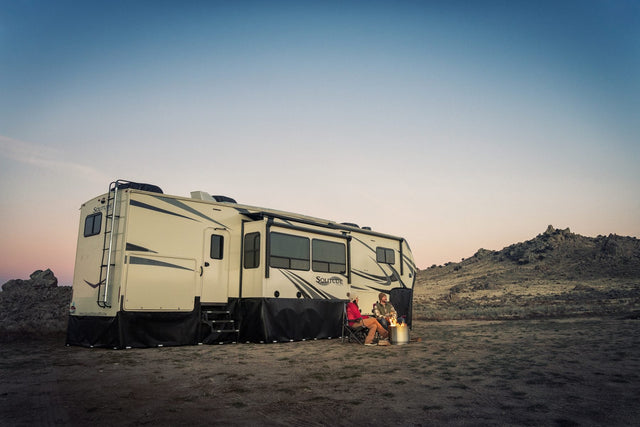
Because it's fabric, it conforms. Uneven grade, a sloped lot, the awkward run around a hitch or a step — the material follows the line instead of forcing you to scribe and cut rigid sheets to fit. EZ-Snap's skirting is built for RVs and adapts to the same job on tiny homes, decks, and foundations, and the company cites heating and propane savings of up to 40% from sealing that gap. The system carries a Limited Lifetime materials warranty, and EZ-Snap has been doing this since 2006, with more than 38,000 customers served. You can see the full system and how the kits are built on the Shop EZ-Snap skirting kits page. For the manufactured-home setup specifically, start with the no-drill mobile home skirting kit.
A vinyl mobile home skirting alternative, in plain terms
If you're searching for a vinyl mobile home skirting alternative specifically because your current panels keep losing the fight, here's the honest comparison:
- Failure mode: rigid vinyl cracks and pops the track; fabric flexes and stays put.
- Mounting: vinyl needs a fastened track system; the EZ-Snap snap mounts with no drilling into the home.
- Fit: panels want a straight, level run; fabric conforms to grade, hitches, and odd corners.
- Lifespan: vinyl is a replace-it cycle; the fabric carries a Limited Lifetime materials warranty.
Installing it yourself, at your own pace
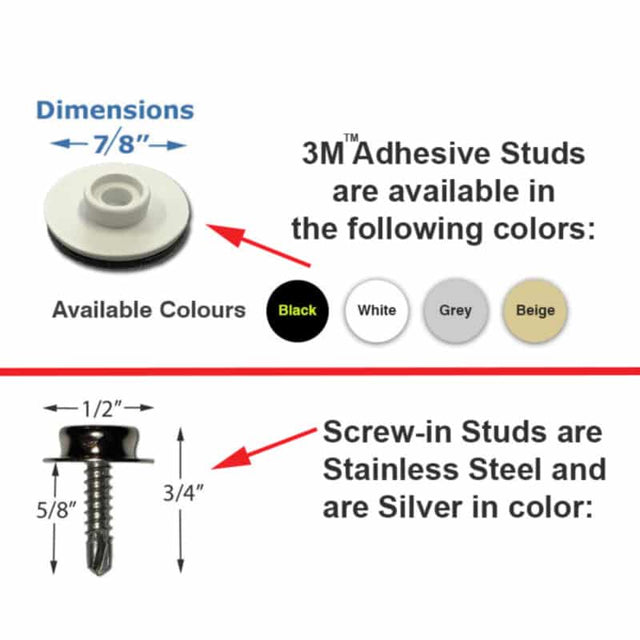
The install is genuinely a DIY scissors-and-snaps job — no specialty tools, no contractor, no drilling, done at your own pace. The fabric cuts to any shape and won't fray at the edge, so trimming around an access door or a slope is a matter of cutting a line, not engineering a panel. The snap base uses 3M VHB adhesive: figure roughly 60 seconds per stud to set, a cure that likes about 60°F, and full strength in around 72 hours, so a mild-weather weekend is the move. Plan your run, set your snaps, hang the fabric, trim the bottom to grade.
A few mobile home skirting ideas worth folding into the plan while you're down there: add an access panel where you'll actually need to reach a valve, insulate the exposed plumbing before you close the wall (the DOE guidance is explicit that those pipes don't insulate themselves3), and don't skimp on the belly insulation behind the skirt — the skirt holds the still air, but the R-value is what's stored in it.2 If you're in a hard-winter region, it's worth borrowing from the tiny home skirting ideas that hold up in cold climates, since the freeze-thaw math is identical on a smaller footprint.
Where skirting fits the bigger envelope
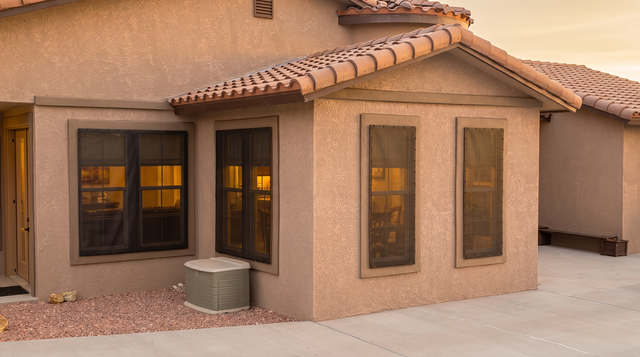
Sealing the underbelly is the cold-weather half of keeping a manufactured home comfortable; managing solar heat is the summer half. The same no-drill, no-damage thinking that makes fabric skirting work also drives EZ-Snap's exterior sun shades, which mount to windows the same patented way to cut solar heat gain before it ever reaches the glass. Skirt the bottom for winter, shade the windows for summer, and you've addressed the two biggest leaks in a manufactured home's envelope without putting a single new hole in the structure.
Vinyl skirting was never really the cheap option. It was the option you pay for again every few winters, plus the night you spent thawing a pipe. A fabric system that flexes instead of cracks, mounts without drilling, and is warranted for the life of the materials is the version of this decision you only make once.
Sources
- DOE lists "Install insulated skirting" and "Add insulation to the belly" among the energy-efficiency improvements that substantially reduce heat loss in manufactured homes; it also recommends air sealing openings around plumbing and ducts. U.S. Department of Energy (Energy Saver), 2024 ↗
- DOE/NREL Weatherization job aid 15-1 directs installers to fill the entire belly cavity to the prescribed R-value 'while ensuring plumbing has sufficient insulation value to prevent condensation or freezing,' creating a 'consistent thermal boundary between conditioned and unconditioned space,' and to reinstall any removed skirting. U.S. Department of Energy / National Renewable Energy Laboratory (Weatherization Assistance Program, Job Aid 15-1), 2024 ↗
- Southern states generally start having issues with frozen pipes when the temperature reaches about 20 degrees Fahrenheit; bathroom and kitchen pipes are generally not insulated and rely on the heating system to keep warm. U.S. Department of Energy (Energy Saver), 2024 ↗
Common questions
Why does vinyl mobile home skirting crack in winter?
Vinyl mobile home skirting cracks in winter because the material goes brittle in the cold, exactly when it is needed most. A panel that flexed in summer stiffens and snaps in a January wind, while the rigid track heaves as the ground freezes and thaws. The result is bowed, cracked, or missing panels that break the thermal boundary.
What is a no-drill alternative to vinyl mobile home skirting?
A no-drill alternative is a continuous run of Diamond Weave fabric held by a patented snap system, instead of rigid panels in a track. There is nothing to crack because the fabric flexes with wind and temperature. The snaps mount without drilling into the home's frame or siding, which avoids new penetrations that could invite water behind the skin.
How does skirting affect frozen pipes under a mobile home?
Skirting protects your pipes by holding still air against the underbelly as a thermal boundary. The DOE notes frozen-pipe trouble can begin around 20 degrees, and the bathroom and kitchen pipes most at risk are usually uninsulated, relying on the home's heat. When a skirt fails and cold air moves freely underneath, the skirting failure and the plumbing failure become the same failure.
Does mobile home skirting actually save on heating costs?
Yes, sealing the underbelly with skirting reduces heat loss and lowers energy use. EZ-Snap cites heating and propane savings of up to 40% from closing that gap. The DOE lists insulated skirting and belly insulation, plus air sealing around plumbing and ducts, among the improvements that substantially reduce heat loss in manufactured homes.
Can you install mobile home skirting yourself without drilling?
Yes, fabric skirting installs as a DIY scissors-and-snaps job with no drilling, no contractor, and no specialty tools, done at your own pace. The fabric cuts to any shape and won't fray, so trimming around an access door or slope is simple. The snap base uses 3M VHB adhesive: about 60 seconds per stud, cured around 60 degrees, full strength in roughly 72 hours.
Does fabric skirting work on uneven or sloped ground?
Yes, because it is fabric, it conforms to the terrain instead of fighting it. Uneven grade, a sloped lot, or the awkward run around a hitch or step all get followed by the material rather than forcing you to scribe and cut rigid sheets to fit. It carries a Limited Lifetime materials warranty.