Skylight Sun Shades: The Best Way to Tame Overhead Sun

Key Takeaways
- A skylight can receive roughly three to four times the solar radiation of a north- or south-facing wall on a midsummer day, making overhead glass the hottest glazing in most homes.
- The U.S. Department of Energy states exterior shades are more effective than interior shades at reducing a skylight's summer heat gain, because they stop sunlight before it passes through the glass.
- Depending on the material, exterior solar screens can block up to 90% of solar heat gain before it reaches the window.
- EZ-Snap®'s exterior Sun Screen uses Optical Grade Thermo-Weave mesh that cuts to any skylight shape with scissors and mounts with a no-drill snap, so no holes are made in the roof.
- Black mesh maximizes heat rejection while keeping a clear view; white mesh keeps the room brighter but blocks less heat.
Stand under a skylight at two in the afternoon in July and you feel it before you can name it: a soft, insistent weight on the crown of your head, the room warming from the top down like a greenhouse nobody asked for. That overhead pane is the hardest-working piece of glass in your house, and in summer it is working against you.
Most people reach for an interior blind, watch it sag and yellow in the heat, and wonder why the room never quite cools. The fix is older and simpler than any motorized shade: stop the sun on the outside of the glass, before it ever gets in. A good skylight sun shade is less about darkness and more about geometry, and once you understand where the heat actually enters, the right choice gets obvious fast.
Why overhead glass runs so much hotter than a window
A vertical window catches the sun at an angle for part of the day. A skylight stares straight up into the brightest part of the sky for hours. The physics are not subtle: one square foot of roof can receive roughly three to four times as much solar radiation on a midsummer day as a square foot of north- or south-facing wall.1 That is why a skylight is, pound for pound, often the hottest piece of glazing in the building.
The Department of Energy is blunt about it. Because skylights sit on the roof, they "can result in unwanted additional heat in summer," and exterior shades will be more effective than interior shades at reducing that heat gain.2 The number that governs all of this is SHGC, the solar heat gain coefficient: the fraction of solar radiation a window, door, or skylight lets through. The lower the SHGC, the less heat transmitted and the greater the shading ability.3 Shading the skylight from outside is, in effect, a way to drop its working SHGC without ripping out the glass.
The inside-versus-outside problem nobody explains at the store
Here is the part that interior shades can't escape. By the time sunlight reaches a blind hanging below the glass, it has already passed through the pane and dumped most of its energy into your room as heat. Exterior attachments block solar heat before it reaches the window; interior ones are less effective precisely because they don't stop the sunlight until it's already inside.5
An interior blind shades your eyes. An exterior shade shades your house.
This is not a brand opinion; it's the consensus position. The DOE lists exterior shutters and shades as the window coverings most effective at reducing solar heat gain.4 For a skylight specifically, where the glass is overhead and the sun is nearly perpendicular, that distinction stops being academic. An interior cellular shade can trap a layer of superheated air right against the ceiling, which is the heart of the skylight blinds versus exterior skylight shades debate. An exterior screen never lets the heat get that far.
What an exterior solar screen actually does to the heat
An exterior solar screen is a precision mesh that intercepts sunlight as a filter, not a wall. Depending on the material, solar screens can block up to 90% of solar heat gain before it even reaches the window.6 That is the entire game for an overhead skylight: knock the energy down outside the glass, and the room underneath stops behaving like an attic. If you're weighing every product category against each other, our complete buyer's guide to skylight covers that reduce heat walks through the same logic in more depth.
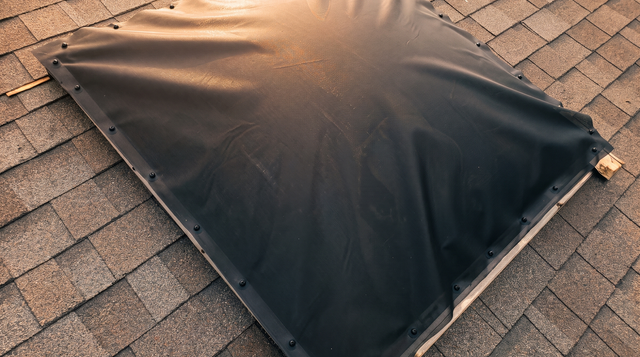
EZ-Snap builds its exterior shades around exactly this principle. The EZ-Snap Sun Screen uses an Optical Grade Thermo-Weave™ mesh, and the black weave blocks up to 90% of solar heat while you keep a clear, glare-cut view out. If you want a brighter room, the white mesh lets more daylight through and stops less heat — a real trade, and worth naming honestly rather than promising you can have it both ways. For a skylight that doubles as your main source of overhead light, that choice between heat rejection and luminosity is the single most important decision you'll make.
Glare is a separate problem from heat — and a screen handles both
Overhead glare is its own particular misery: it washes out screens, bleaches your floors, and makes a bright room feel harsh rather than cheerful. A skylight shade for glare doesn't have to mean blackout. The mesh diffuses the hot, direct beam into even, usable light, so you lose the squint without losing the daylight that made you want a skylight in the first place. You get an overhead skylight shade that calms the room instead of darkening it.
Fitting a shade to glass that isn't square
Skylights are where rigid, made-to-measure shading systems fall apart. Many are trapezoids, triangles, or long rectangles set into a slope, and a hard frame either fits perfectly or not at all. A flexible mesh sidesteps the whole problem. The EZ-Snap material cuts to any window shape with ordinary scissors and won't fray at the edges, so an odd-angled skylight becomes a measure-and-trim job, not a custom-fabrication order.
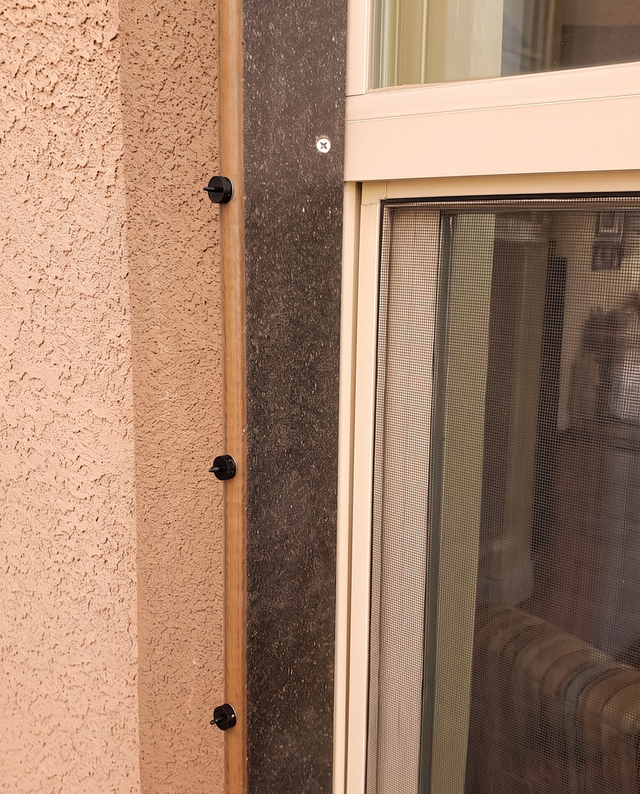
The mounting is what makes it livable on a roof. EZ-Snap uses a patented no-drill Cap & Pin snap paired with 3M VHB tape — no holes through your roof flashing, no compromised seal. The same approach is the backbone of our walkthrough on how to cover a skylight from the outside without drilling. A few practical notes if you're planning the job:
- The VHB bonds best around 60°F and reaches full strength in about 72 hours, so pick a mild, dry stretch to install.
- Each snap stud sets in roughly 60 seconds; the slow part is just letting the adhesive cure, not the work itself.
- Most installs come together in an afternoon — measure, cut the mesh, set the studs, snap it on.
It's the same engineering EZ-Snap has shipped since 2006 to more than 38,000 customers, backed by a Limited Lifetime materials warranty, and built on the company's patented snap system (U.S. Patent 8,032,994). The approach started on RV windows and RV skirting, where roof penetrations are non-negotiable — which is exactly why the no-drill method translates so cleanly to a house skylight.
Choosing your skylight sun blocker without overthinking it
Strip away the catalog noise and the decision tree is short. If your goal is a cooler room and a tamer glare while keeping the view, you want an exterior solar screen, and you want black mesh for maximum heat rejection. If the skylight is your primary daylight and you'd rather keep the room bright, choose the white mesh and accept that it sheds less heat. Either way, the screen lives outside the glass, where the DOE keeps pointing.
A sun shade for skylight doesn't need to be a motor, a remote, or a contractor. It needs to be the right material in the right place, cut to your shape, snapped on without drilling. When you're ready to size one, start with the Shop Skylight Shades collection, or compare the broader exterior shade lineup if you've got hot vertical windows feeding the same room. Kits start at $66.95, and shipping is free over $225 — modest money for finally reclaiming the brightest, hottest corner of your home.
Ready for exact dimensions? Size your exterior skylight shade and order what fits.
Sources
- One square foot of roof area can receive approximately three to four times as much solar radiation on a midsummer day as one square foot of north- or south-facing wall. Pacific Northwest National Laboratory (Building America Solution Center, U.S. DOE), 2024 ↗
- Because skylights are located on the roof, they can result in unwanted additional heat in summer... Exterior shades will be more effective than interior shades at reducing heat gain in summer. U.S. Department of Energy, Office of Energy Saver, 2024 ↗
- Solar heat gain coefficient (SHGC) is the fraction of solar radiation admitted through a window, door, or skylight... The lower the SHGC, the less solar heat it transmits, and the greater its shading ability. U.S. Department of Energy, Office of Energy Saver, 2024 ↗
- "Exterior shutters and shades... are most effective at reducing solar heat gain." The page also states window awnings can reduce solar heat gain by up to 65% on south-facing windows and 77% on west-facing windows. U.S. Department of Energy (Energy Saver), 2024 ↗
- "Exterior window attachments block solar heat before it reaches the window." Interior attachments "can be less effective at reducing heat gain than comparable exterior shading systems because they do not block direct sunlight until after it has already passed through the window." DOE Building America Solution Center (Pacific Northwest National Laboratory), 2023 ↗
- "Depending on the material used, solar screens have the potential to block up to 90% of solar heat gain before it even reaches the window." U.S. Department of Energy, Office of Energy Efficiency & Renewable Energy (EERE), 2023 ↗
Common questions
Why do skylights get so much hotter than regular windows?
Because a skylight stares straight up into the brightest part of the sky for hours, while a vertical window only catches the sun at an angle. One square foot of roof can receive roughly three to four times as much solar radiation on a midsummer day as a square foot of wall, making overhead glass the hottest glazing in most homes.
What is the best way to block heat from a skylight?
An exterior solar screen mounted on the outside of the glass. The U.S. Department of Energy states exterior shades are more effective than interior shades at reducing a skylight's summer heat gain, because they stop sunlight before it passes through the glass. Depending on the material, exterior screens can block up to 90% of solar heat gain.
Can you put a sun shade on an oddly shaped skylight?
Yes. The flexible mesh cuts to any window shape with ordinary scissors and won't fray at the edges, so a trapezoid, triangle, or sloped rectangle becomes a measure-and-trim job instead of a custom-fabrication order. Rigid, made-to-measure systems are where odd skylight shapes usually fall apart.
How do you shade a skylight without drilling the roof?
With a patented no-drill Cap and Pin snap paired with 3M VHB tape, so there are no holes through the roof flashing and no compromised seal. Each snap stud sets in roughly 60 seconds and the adhesive reaches full strength in about 72 hours. Most installs come together in an afternoon.
Should I use black or white mesh on a skylight?
Choose black for maximum heat rejection while keeping a clear, glare-cut view. Choose white if the skylight is your primary source of daylight and you would rather keep the room bright, accepting that white mesh sheds less heat. It is a real trade between heat rejection and luminosity.
Do interior skylight blinds reduce heat as well as exterior shades?
No. By the time sunlight reaches an interior blind it has already passed through the glass and dumped most of its energy into the room, and a cellular shade can even trap superheated air against the ceiling. An exterior screen never lets the heat get that far, which is why the DOE points outside the glass.